Why Is My Toothache Worse at Night? Causes, Relief and When to Get Help
Toothache can feel more intense when you're trying to sleep, but why does it happen? Discover what might be causing your nighttime dental pain, practical ways to manage discomfort safely, and the warning signs that mean you should contact a dentist urgently.
By Night & Day Team
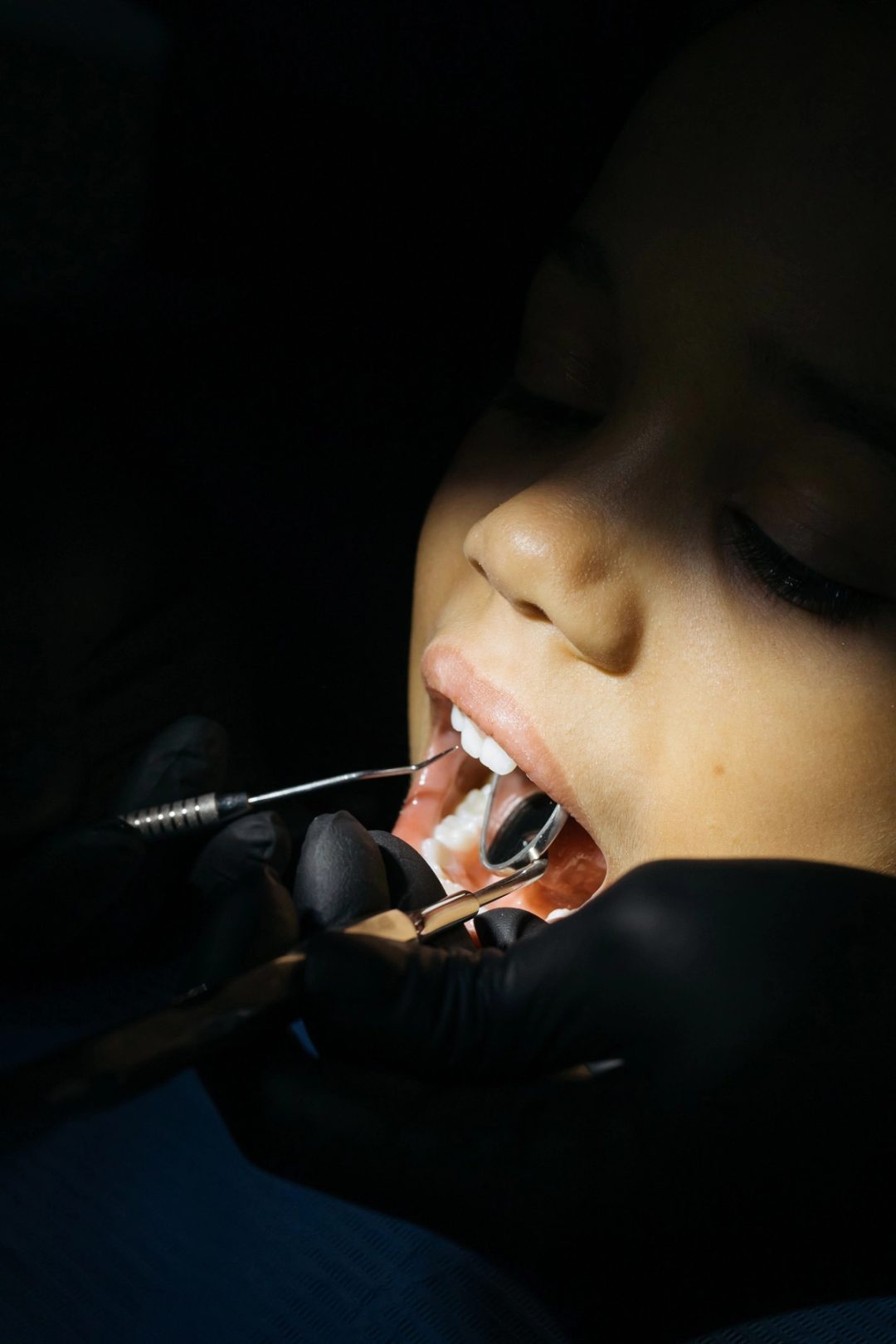
Why you have a toothache at night
Why does toothache get worse at night?
Toothache can feel worse at night because lying down may increase pressure around an already painful tooth, while fewer distractions make the discomfort more noticeable. Tooth decay, an inflamed dental nerve, a cracked tooth or an infection could be responsible. The pain may feel stronger when you're trying to sleep, even if the underlying dental problem hasn't suddenly changed.
If your toothache is keeping you awake, repeatedly returning or becoming more intense, it deserves attention. Severe dental pain that affects your sleep and isn't relieved by suitable painkillers may require urgent dental assessment.
Understanding why the pain is happening can help you make sensible decisions about what to do tonight and when to arrange treatment.
Why does dental pain feel stronger when you lie down?
You might manage a toothache reasonably well throughout the day, only to find that it becomes much harder to ignore once your head touches the pillow.
There are several possible explanations.
Changes in pressure when lying flat
When you're upright, gravity influences how blood and other fluids are distributed around your head. Lying flat changes that distribution and may make pressure-related discomfort more noticeable in tissues that are already inflamed.
Inside a tooth is a soft tissue called the pulp, containing nerves and blood vessels. When the pulp becomes inflamed, the surrounding hard tooth structure leaves little room for swelling.
This can contribute to intense, throbbing pain.
However, worsening pain when lying down does not prove that the nerve is infected or that a particular treatment is necessary. A dentist needs to assess the tooth to establish the cause.
Fewer distractions at bedtime
During the day, you're usually occupied with conversations, work, eating and other activities.
At night, those distractions disappear.
In a quiet bedroom, discomfort that was previously manageable may become your main focus. This can make toothache feel more intrusive, particularly when you're already tired or worried about sleeping.
It doesn't mean the pain is imaginary. The dental problem is real, but your awareness of it can change.
Teeth grinding or clenching during sleep
Some people grind or clench their teeth without realising it.
This is known as bruxism.
Repeated pressure can strain the muscles around your jaw and affect the teeth themselves. You might notice:
- Tender teeth when you wake up.
- An aching jaw or facial muscles.
- Morning headaches.
- Pain when biting or chewing.
- Increased sensitivity in teeth that are already damaged.
Not every nighttime toothache is caused by grinding. However, if your discomfort is particularly noticeable in the morning, mention this pattern to your dentist.
What causes a throbbing toothache at night?
Nighttime toothache is a symptom rather than a diagnosis. Several dental conditions can produce similar sensations, and more than one problem may be present.
1. Tooth decay reaching deeper into the tooth
Tooth decay begins when acids produced by bacteria in dental plaque damage the tooth's surface.
Early decay may cause no obvious symptoms. As the damage progresses, you might develop sensitivity to sweet foods, cold drinks or temperature changes.
If decay extends towards the pulp, the tooth may become increasingly painful.
You might experience an ache that comes and goes, sharp sensitivity or pain that continues after eating or drinking.
Deep decay requires professional assessment. Depending on the extent of damage, treatment may involve a filling, root canal treatment or another appropriate option.
2. Inflammation of the dental pulp
Pulpitis is inflammation of the soft tissue inside a tooth.
It can develop because of decay, a crack, trauma or other irritation.
Some forms of pulp inflammation may settle once the source of irritation is treated. More severe inflammation may cause spontaneous pain, prolonged sensitivity or discomfort that disturbs sleep.
Patients sometimes describe the pain as a heartbeat inside the tooth.
A dentist may use examination findings, dental X-rays and sensitivity tests to determine whether the pulp is likely to recover or whether further treatment is needed.
3. A dental abscess or infection
A dental abscess is a collection of pus associated with an infection.
It may develop around the root of a tooth or in the tissues supporting it.
Possible symptoms include:
- Persistent or throbbing dental pain.
- Tenderness when biting.
- Swelling around the gum, cheek or jaw.
- An unpleasant taste in the mouth.
- Difficulty opening the mouth.
- Fever or feeling generally unwell.
A dental infection should not be ignored simply because the pain becomes temporarily manageable.
Treatment depends on the source and severity of the infection. Antibiotics are not automatically necessary and do not replace dental treatment to address the cause.
If swelling is spreading or you develop difficulty swallowing, speaking or breathing, seek emergency medical help immediately.
4. A cracked or damaged tooth
A tooth can develop a crack after an injury, repeated pressure or biting something hard.
Cracks aren't always visible.
Some patients experience sharp pain when biting, particularly when releasing pressure. Others notice temperature sensitivity or intermittent discomfort.
If the crack affects deeper structures, the tooth may become painful even when you're not eating.
Avoid repeatedly testing the painful tooth by biting on it. This could aggravate an existing problem.
A dentist can assess the extent of the damage and explain whether a restoration or another treatment is appropriate.
5. A loose filling or damaged crown
An existing filling or crown can become loose, fractured or dislodged.
This may expose sensitive tooth tissue or allow food and bacteria to collect around the affected area.
The discomfort can become especially noticeable when eating, drinking or lying awake at night.
Even if the pain settles, a damaged restoration should be checked. Leaving the underlying tooth unprotected may allow further problems to develop.
6. Wisdom tooth problems
Wisdom teeth can sometimes cause pain when they are partially erupted or difficult to clean.
Food and bacteria may collect beneath the surrounding gum, causing inflammation or infection known as pericoronitis.
Symptoms may include soreness towards the back of the mouth, swollen gums, an unpleasant taste or discomfort when opening your mouth.
Because wisdom tooth problems can worsen, particularly when infection develops, persistent or increasing symptoms need dental assessment.
How to relieve toothache at night safely
If you're experiencing dental pain outside normal appointment times, there are steps you can take to make yourself more comfortable while arranging appropriate care.
These measures are temporary. They cannot repair decay, treat an abscess or resolve a damaged dental nerve.
Keep your head slightly elevated
If lying flat makes your toothache feel worse, try resting with your head and upper body slightly raised.
An additional pillow may make this position more comfortable.
This won't treat the underlying cause, but some people find that avoiding a completely flat position reduces the sensation of throbbing.
Choose a position that doesn't strain your neck or jaw.
Consider appropriate pain relief
Paracetamol or ibuprofen may help relieve dental pain temporarily.
However, neither medicine is suitable for everyone.
Always follow the instructions on the packaging or advice from a pharmacist or healthcare professional. Check for allergies, medical conditions, interactions with other medicines and circumstances in which a particular painkiller should be avoided.
Do not exceed the recommended dose because the toothache is severe.
If you're pregnant, taking other medication or unsure which painkiller is appropriate, ask a pharmacist or clinician for advice.
If suitable pain relief isn't helping and the pain is affecting your sleep, seek urgent dental advice rather than repeatedly increasing the dose.
Rinse gently with warm salt water
For adults who can safely rinse and spit, a warm salt-water rinse may provide temporary comfort.
Dissolve half a teaspoon of salt in a glass of warm water, rinse gently and spit it out.
Do not swallow the solution.
Salt water cannot cure an infection inside a tooth, and it should never replace professional treatment.
Young children should not use salt-water rinses if they may swallow the solution.
Avoid foods and drinks that trigger pain
A painful tooth may react strongly to very hot, cold or sweet foods and drinks.
Until you can see a dentist, choose softer foods and avoid chewing on the affected side where possible.
You may also find it helpful to avoid hard or sticky foods that place extra pressure on a cracked tooth or loose restoration.
Continue cleaning your teeth gently. Neglecting oral hygiene can allow plaque to accumulate and make existing dental problems harder to manage.
Avoid unsafe home remedies
Severe toothache can make almost any promised quick fix sound appealing.
However, some home remedies can cause additional injury.
Do not place aspirin directly against your tooth or gum. It can irritate or damage the soft tissues.
Avoid applying alcohol, undiluted essential oils or other harsh substances to the painful area.
Do not attempt to drain an abscess, remove a tooth or repair a damaged restoration using household materials.
If your pain is severe enough that you're considering these measures, professional dental assessment is the safer option.
When is nighttime toothache an emergency?
Not every toothache requires a hospital visit, but some symptoms mean you should seek dental care promptly.
The important distinction is between pain that needs a dentist and symptoms that suggest a potentially serious medical emergency.
When to request urgent dental care
Contact a dentist or seek advice from NHS 111 if:
- Severe toothache is preventing you from sleeping or carrying out normal activities.
- Suitable painkillers are not relieving the discomfort.
- The pain is persistent, worsening or repeatedly returning.
- You have swelling, a lump or signs of infection around a tooth.
- You have a broken tooth, lost filling or damaged crown causing significant problems.
- You develop pain when biting, a fever or an unpleasant taste alongside toothache.
You don't need to wait until the pain becomes unbearable before asking for help.
Even if your symptoms improve with pain relief, an ongoing dental problem may still need treatment.
When to seek emergency medical attention
Go to A&E if swelling develops around your eye or neck, or swelling in your mouth or neck makes it difficult to breathe, swallow or speak.
If you have severe breathing difficulties or another life-threatening emergency, call 999.
These symptoms can indicate a serious complication that requires immediate medical assessment.
Do not wait until morning or rely on home remedies.
Can toothache disappear overnight without treatment?
Yes, toothache can sometimes ease or disappear without dental treatment.
However, pain relief does not necessarily mean the underlying problem has resolved.
For example, mild irritation may settle, while pain associated with a damaged dental nerve may change as the condition progresses.
In some cases, a severely damaged pulp may lose its ability to produce the same pain signals. An infection can still develop or remain present.
You cannot reliably distinguish these situations based on pain intensity alone.
If you've experienced severe toothache that suddenly stops, particularly after several nights of discomfort, arrange a dental examination.
It's better to understand why the pain changed than assume the tooth has recovered.
What will a dentist do for severe nighttime toothache?
Your appointment will begin with an assessment of your symptoms and dental history.
The dentist may ask when the pain started, whether it wakes you from sleep, which tooth seems affected and what makes the discomfort better or worse.
They may also examine your gums, check the affected tooth, assess your bite and take X-rays where clinically indicated.
Additional tests can help evaluate the condition of the dental pulp.
The treatment recommended will depend on the findings.
Filling or restoration
If decay or damage can be treated without removing the dental pulp, a filling or other restoration may be appropriate.
The aim is to repair the affected tooth and address the source of irritation.
Root canal treatment
If the pulp is irreversibly inflamed or infected, root canal treatment may be considered when the tooth can be saved.
This involves removing affected pulp tissue, cleaning the root canal system and sealing the tooth.
The dentist will explain the suitability, benefits, limitations and alternatives.
Tooth extraction
Sometimes a tooth cannot be predictably restored.
In these circumstances, extraction may be recommended after considering the available options.
The decision should be based on the tooth's condition and your individual circumstances, not simply how painful it feels.
Treatment of a dental abscess
If an abscess is present, treatment may involve drainage and addressing the source of infection through appropriate dental procedures.
Antibiotics may be prescribed in certain circumstances, particularly where infection is spreading or systemic symptoms are present.
They are not a substitute for treating the source of the infection.
How to sleep with toothache while waiting for an appointment
If your symptoms do not require immediate emergency care and you're waiting for a dental appointment, focus on reducing irritation and getting as comfortable as possible.
Before going to bed, consider the following:
- Take suitable pain relief according to the instructions, if you can safely use it.
- Brush your teeth gently and remove trapped food without forcing anything around the painful area.
- Avoid very hot, cold or sugary drinks if they trigger discomfort.
- Keep your head slightly raised if lying flat makes the pain worse.
- Avoid chewing on the affected tooth.
- Keep the details of your dental appointment or urgent-care contact available.
If the pain escalates during the night, reassess your symptoms rather than assuming you must wait until morning.
Pain that prevents sleep despite appropriate medication warrants urgent dental advice.
Can you prevent toothache from getting worse at night?
You cannot prevent every dental emergency, but regular oral care can reduce the likelihood of some common causes.
Brush twice daily with fluoride toothpaste, clean between your teeth regularly and attend dental examinations at intervals recommended for your needs.
If you notice sensitivity, a damaged filling or discomfort when biting, arrange an assessment before symptoms become more severe.
If you grind your teeth, your dentist can check for signs of wear and discuss appropriate management.
The earlier a dental problem is identified, the more opportunity there may be to address it before it becomes a painful interruption to your sleep.
Frequently asked questions
Why does my tooth only hurt when I go to bed?
Lying down may make pressure-related discomfort more noticeable, while the quiet of bedtime can increase your awareness of pain. However, the underlying cause could still be decay, pulp inflammation, a crack or another dental problem. Recurring symptoms should be assessed.
Why is my tooth throbbing at night?
Throbbing can occur when tissues inside or around a tooth are inflamed. Possible causes include deep decay, pulpitis or infection. The sensation alone cannot identify the diagnosis, so persistent or severe pain needs dental assessment.
Can lying down make a dental abscess hurt more?
Some people notice more intense pain when lying flat, including when they have a dental infection. However, worsening pain in this position does not confirm an abscess. Swelling, fever, tenderness or an unpleasant taste may provide additional warning signs.
Should I go to A&E for toothache at night?
Most toothaches need dental rather than hospital treatment. Contact a dentist or NHS 111 for urgent dental advice. Go to A&E for swelling around the eye or neck, or swelling that affects breathing, swallowing or speaking. Call 999 for life-threatening breathing difficulties.
What if painkillers aren't helping my toothache?
Severe dental pain that affects your sleep and isn't relieved by suitable painkillers is a reason to seek urgent dental care. Do not exceed recommended doses or combine medicines without checking that doing so is safe for you.
Is nighttime toothache always a sign of infection?
No. Toothache at night may result from decay, inflammation, a cracked tooth, a damaged restoration or grinding. Infection is one possibility, but only a dental assessment can establish the likely cause.
Can I wait until morning if my toothache is severe?
If the pain is severe, affecting sleep or not responding to suitable pain relief, seek urgent dental advice rather than automatically waiting. NHS 111 can advise when your dentist is unavailable. Any serious swelling affecting breathing or swallowing requires immediate emergency medical attention.
Don't ignore toothache that's keeping you awake
A toothache that becomes worse at night can leave you exhausted, uncomfortable and unsure whether the problem is serious.
Although changes in position and reduced distractions may make pain more noticeable, the underlying cause could be a condition that needs treatment.
Temporary measures may help you manage discomfort, but they won't repair a damaged tooth or treat an infection.
If you're struggling with persistent or severe dental pain, contact Night & Day Emergency Dentist to enquire about an appropriate dental assessment. Seeking advice early can help you understand the cause and available treatment options rather than facing another sleepless night.
Toothache Keeping You Awake? We're Here to Help.
Don't let persistent tooth pain keep you up at night. At Night & Day Emergency Dentist, we provide urgent dental care to help identify the cause of your pain and discuss suitable treatment options.