Cookies & data usage

We use cookies for analytics and advertising. Choose an option:

Emergency Dental Care

Clear, calm support when something cannot wait.

Seek prompt assessment for severe toothache, swelling, broken teeth, lost restorations and other urgent dental problems.

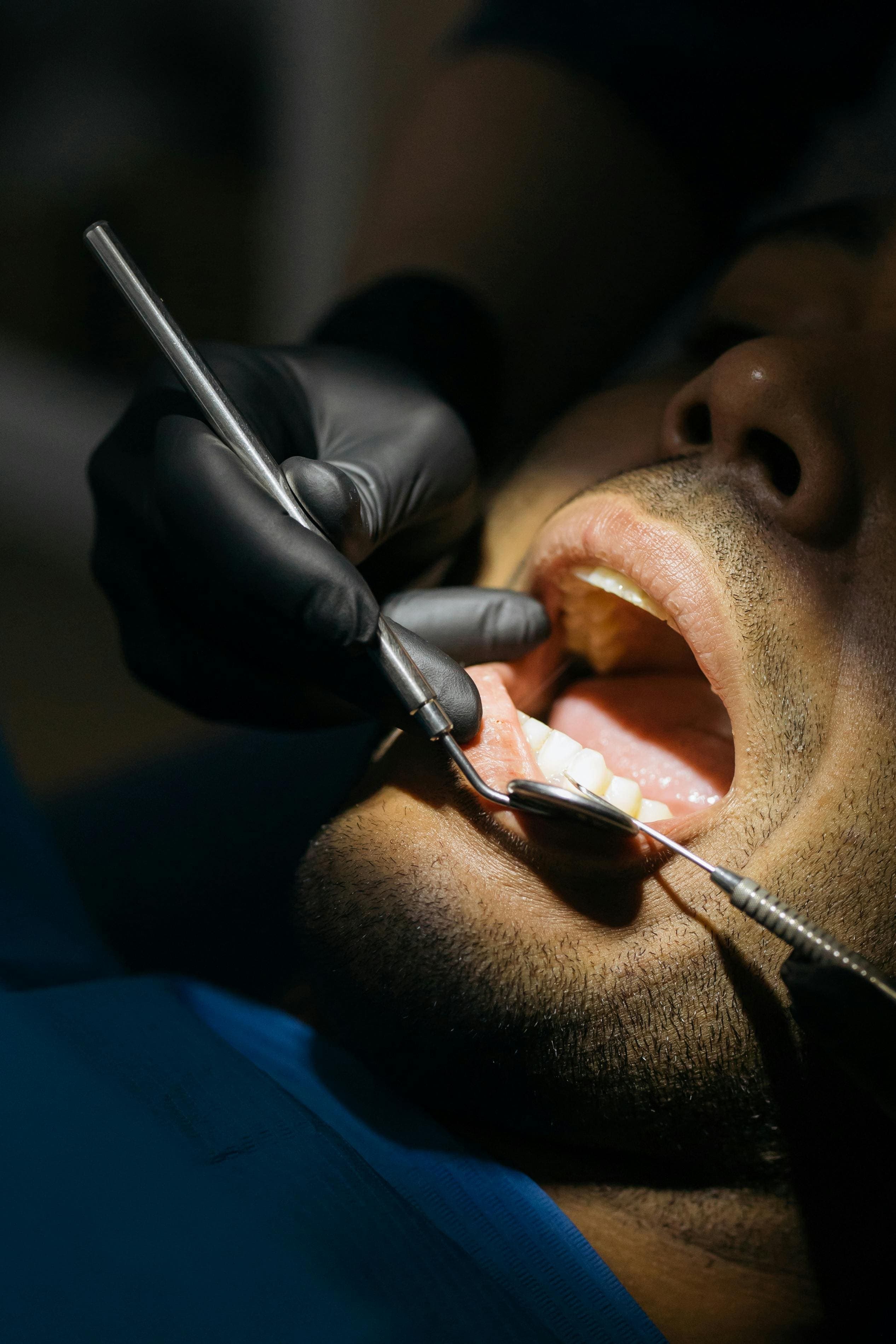
Dentist assessing a patient who needs urgent dental care
Urgent assessment
Treatment options explained
Follow-up care planned

Clear, calm care when something cannot wait.

Emergency dentistry is for dental problems that need prompt assessment, including severe or worsening toothache, facial or gum swelling, a dental abscess, a broken tooth, a lost restoration and injuries affecting the teeth or mouth.

An urgent appointment focuses on identifying the cause, checking whether infection or damage is spreading and deciding what is needed to make the problem safe. Depending on the diagnosis, care may involve a temporary or definitive restoration, treatment inside the tooth, management of an infection or extraction when a tooth cannot be saved.

Not every emergency can be completed in one visit. The immediate aim is to reduce risk, relieve symptoms where possible and give you a clear plan for any follow-up care. Fees depend on the examination findings and treatment required and should be explained before treatment proceeds.

Severe facial swelling that affects breathing, swallowing or vision, uncontrolled bleeding, or a serious injury to the face requires urgent medical help. Call 999 or attend A&E rather than waiting for a routine dental appointment.
What to do before you see an emergency dentist

Simple steps that may help protect the tooth, reduce discomfort and avoid making the problem worse while you arrange urgent dental care.

Severe toothache

Rinse your mouth gently with warm salt water and keep the area as clean as you can. Arrange an urgent dental assessment if the pain is severe, persistent or worsening.

Avoid: Do not place aspirin directly against the tooth or gum.

Read our toothache advice

Knocked-out tooth

Hold the tooth by the crown, not the root, and avoid unnecessary handling. If you cannot place it back without force, keep it moist in milk while seeking care.

Urgent: Time matters: contact an emergency dentist immediately for the best chance of saving the tooth.

Broken or chipped tooth

Keep any broken pieces, rinse your mouth gently and avoid chewing on the affected side until a dentist can assess the damage.

Read about broken or chipped teeth

Dental swelling or suspected abscess

A cold compress held against the outside of the face may help with discomfort. Seek urgent dental assessment, especially if swelling is increasing.

Avoid: Do not apply heat directly to the swelling.

Urgent: Worsening facial swelling, breathing or swallowing difficulty needs urgent medical help.

Read about dental abscesses

Lost filling or crown

Keep the area clean, avoid hard or sticky foods and chew on the other side. Keep a loose crown safe and arrange a dental appointment promptly.

Avoid: Do not use household glue or try to repair the tooth yourself.

Read about lost fillings or crowns

Bleeding after dental trauma

Apply gentle, steady pressure with clean gauze where appropriate. If bleeding does not settle, or is heavy or uncontrolled, seek urgent assessment.

Severe symptoms?

Significant facial swelling, difficulty breathing, difficulty swallowing or uncontrolled bleeding may need urgent medical assistance rather than waiting for a dental appointment. Call 999 or attend A&E if symptoms are severe or life-threatening.

Find a Night & Day clinic that can help.

Use our clinic finder to locate Night & Day emergency dental care, or contact our team if you need help understanding the next step.

Find all clinics