Remove and store loose pieces
If a component is completely loose in your mouth, remove it to prevent swallowing and keep it in a clean container.
Identify what has moved before further damage occurs.
A loose implant crown, a moving implant and a detached veneer are different problems. Careful assessment identifies which part has failed and protects the supporting implant, tooth and gum.
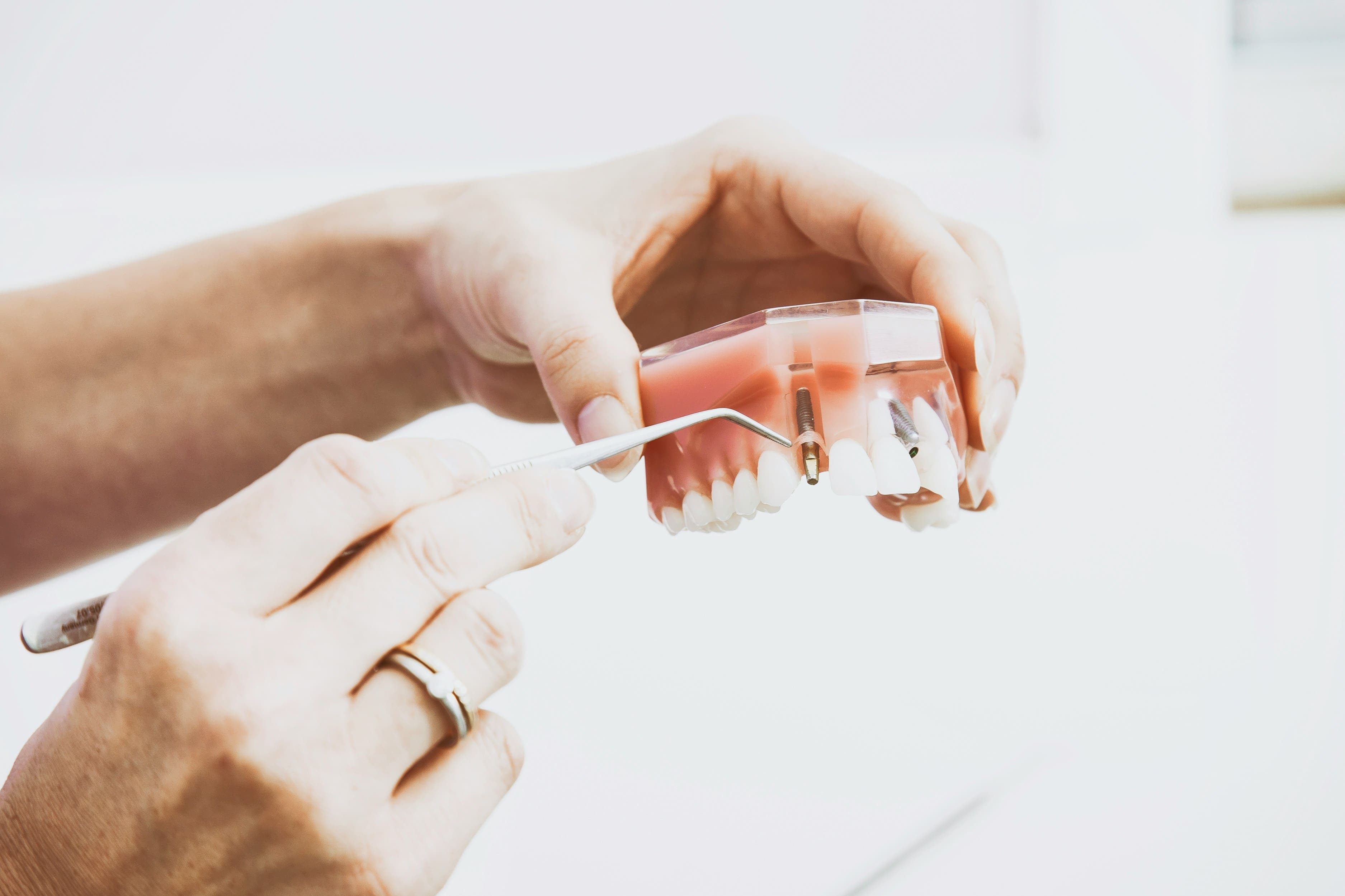
Restoration assessment
Get loose or damaged dental work assessed before further damage occurs.
An implant crown is the visible restoration attached to a dental implant. Its crown or connecting screw can loosen while the implant in the bone remains stable. By contrast, movement that appears to come from the implant itself needs prompt professional assessment.
A veneer is bonded to a natural tooth and may detach or break after impact, heavy biting forces, bonding failure or a problem with the tooth beneath it. These are different clinical problems, so the loose part and its support must be checked before anything is reattached.
A crown or implant restoration may move when touched or during eating.
The restoration may detach completely, leaving a tooth or component exposed.
A prepared natural tooth can become sensitive once a veneer is lost.
Inflamed tissue around an implant or tooth can indicate an underlying problem.
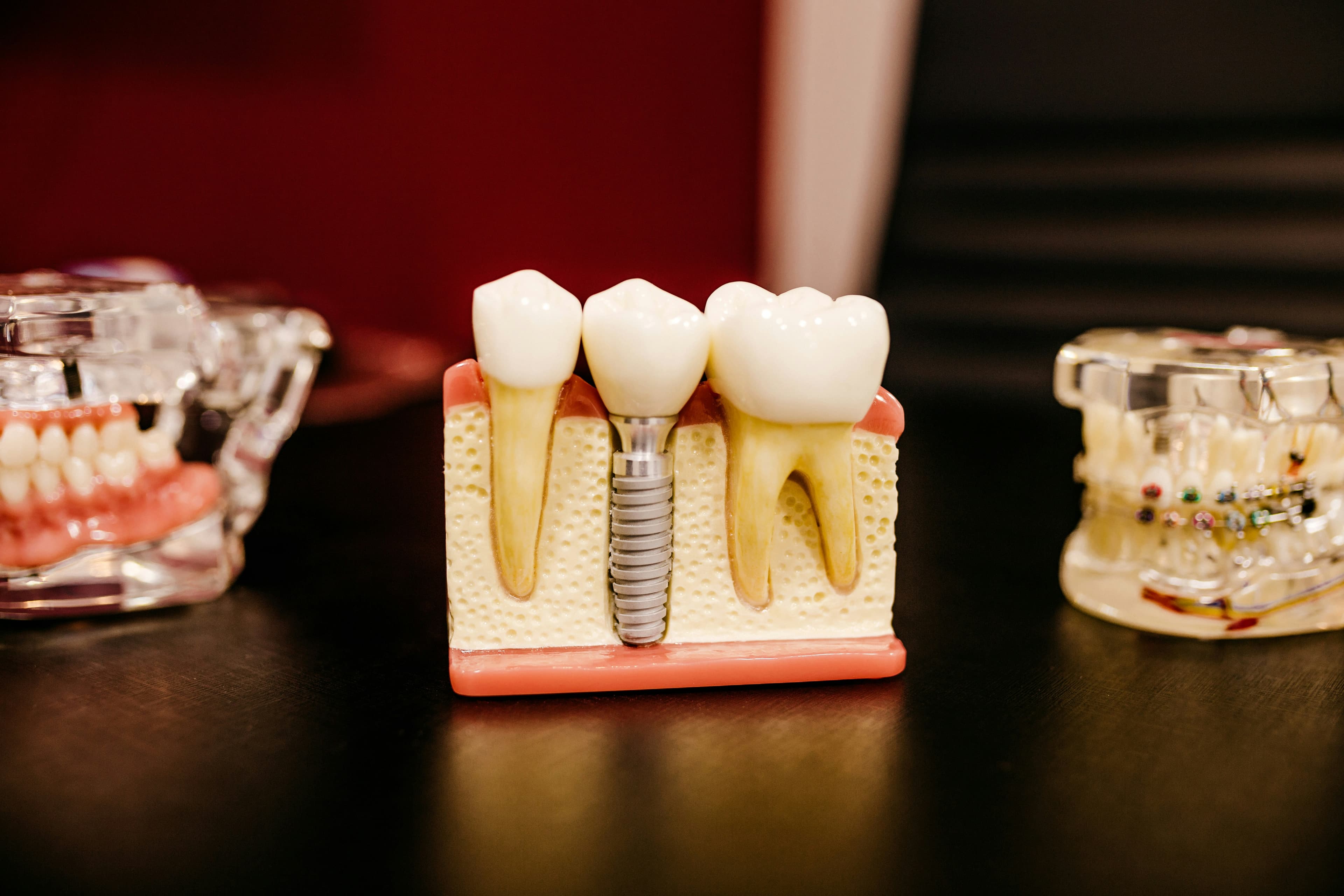
Protect the area and keep any detached component safe until it can be professionally assessed.
If a component is completely loose in your mouth, remove it to prevent swallowing and keep it in a clean container.
Use a soft toothbrush around the area without pulling or twisting any component that remains attached.
Choose soft foods and arrange a dental assessment as soon as practical.
Prompt care is particularly important when there is pain, trauma or a problem affecting the implant itself.
Movement that appears to come from below the gum needs urgent professional assessment.
Increasing discomfort, discharge or swollen tissue may indicate infection or inflammation.
Impact can damage the restoration, implant, tooth or supporting bone.
An exposed edge that cuts soft tissue should be protected promptly.
Our emergency dental team can help you understand whether you need to be seen urgently.
Continuing to use a loose restoration can damage parts that may otherwise be repairable.
The dentist first identifies whether the veneer, implant crown, connecting component, underlying tooth or implant itself has moved. Examination and, for implant concerns, an X-ray may be needed before repair is planned.
A sound veneer or crown may sometimes be cleaned and re-cemented when the supporting surface is healthy.
Damage, decay, inflammation or component failure must be addressed before a durable restoration is fitted.
These pages explain closely related symptoms and treatments without replacing a dental assessment.
Clear answers to questions patients often ask before an urgent dental assessment.
Patient rating
Across our Night & Day clinics
3,200+ Google reviews
I’m absolutely petrified of the dentist hence why I’m in the situation I’m in now! I can’t recommend them enough so understanding and explain everything - they look after you unlike my dentist highly recommend!
Explore guidance for other common dental emergencies, including symptoms, what to do immediately and when to seek urgent dental care.
Swelling, tenderness or a bad taste may indicate an infection that should be examined promptly.
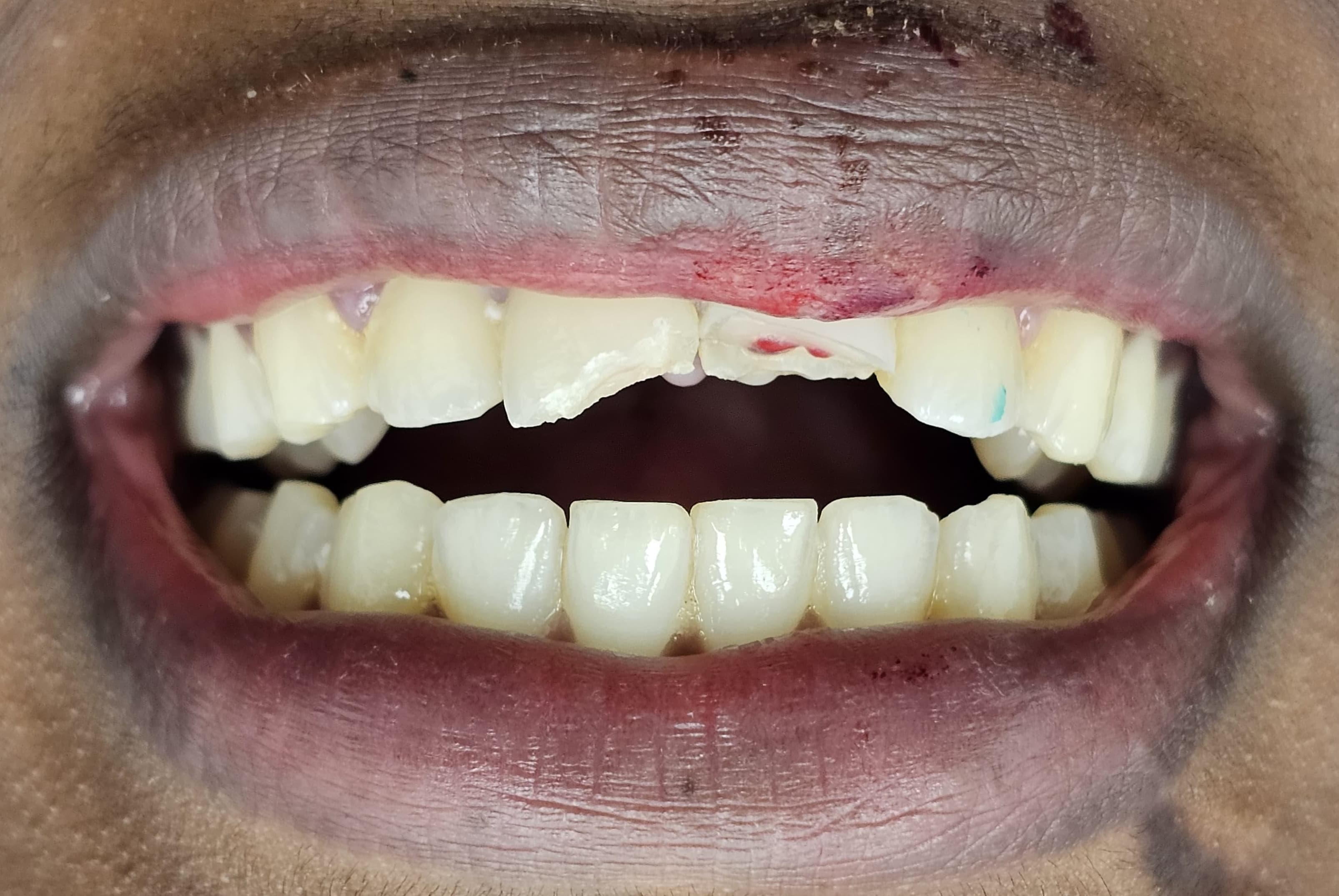
Assessment and repair options for a tooth damaged by an accident, impact or biting.
Persistent, throbbing or night-time tooth pain needs assessment to identify its cause and urgency.
Protect an exposed or sensitive tooth and arrange an assessment before further damage occurs.
Help for pain, swelling or infection around an emerging or impacted wisdom tooth.
When a tooth cannot be restored, an urgent assessment can establish the safest next step.
Treatment may help relieve pain and address infection inside a damaged tooth.
Leave your details and briefly tell us what’s happened. Our team will contact you to arrange a same day appointment.
Need help immediately?
Find your nearest emergency clinic