Arrange an urgent assessment
Tell the clinic about pain, swelling, medication and relevant medical conditions.
Removal may be appropriate when a tooth cannot predictably be saved.
Emergency tooth extraction is considered after assessing whether a painful, infected or badly broken tooth can reasonably be preserved. The dentist will explain the options before treatment.

Urgent assessment
Get a severely damaged or infected tooth assessed and understand your treatment options.
Severe pain does not automatically mean a tooth needs removing. The dentist first considers the cause, how much healthy tooth remains, the support around it and whether options such as restoration or root canal treatment offer a reasonable prognosis.
Extraction may be recommended for extensive decay, a deep or unrestorable fracture, advanced loss of gum and bone support, or an infected tooth that cannot predictably be retained. Your health, medicines and X-rays also inform whether and when removal is appropriate.
A badly damaged or infected tooth can cause constant pain that affects sleep and eating.
Very little sound tooth may remain above the gum.
A dental abscess may form around a tooth that cannot be restored.
Advanced loss of supporting gum and bone can make a tooth loose and painful.

Only a dental examination can determine whether extraction is the right treatment.
Tell the clinic about pain, swelling, medication and relevant medical conditions.
Brush gently and rinse with warm water without disturbing very tender tissue.
Follow packet guidance for medicines you can safely take or consult a pharmacist.
Urgency is driven by pain, infection, bleeding and trauma—not simply by whether a tooth may need removal.
Facial or neck swelling needs urgent assessment, especially with fever.
Call 999 or attend A&E for airway or swallowing problems.
Severe pain affecting sleep and function should be assessed promptly.
A split, displaced or very loose tooth following injury requires urgent care.
Our emergency dental team can help you understand whether you need to be seen urgently.
A tooth that cannot be restored can remain a source of pain and infection.
Before recommending removal, the dentist reviews your medical history and medicines, examines the tooth and usually takes an X-ray. They will discuss alternatives, expected benefits and risks, and whether the procedure can be completed at that visit.
Restoration, root canal treatment or periodontal care may be considered when they offer a predictable outcome.
If extraction is agreed, local anaesthetic is used and the tooth is carefully removed. More complex cases may require surgical techniques.
After immediate healing, appropriate options may include leaving the space, a denture, bridge or implant depending on your needs.
These pages explain closely related symptoms and treatments without replacing a dental assessment.
Clear answers to questions patients often ask before an urgent dental assessment.

Patient rating
Across our Night & Day clinics
3,200+ Google reviews
I’m absolutely petrified of the dentist hence why I’m in the situation I’m in now! I can’t recommend them enough so understanding and explain everything - they look after you unlike my dentist highly recommend!
Explore guidance for other common dental emergencies, including symptoms, what to do immediately and when to seek urgent dental care.
Swelling, tenderness or a bad taste may indicate an infection that should be examined promptly.
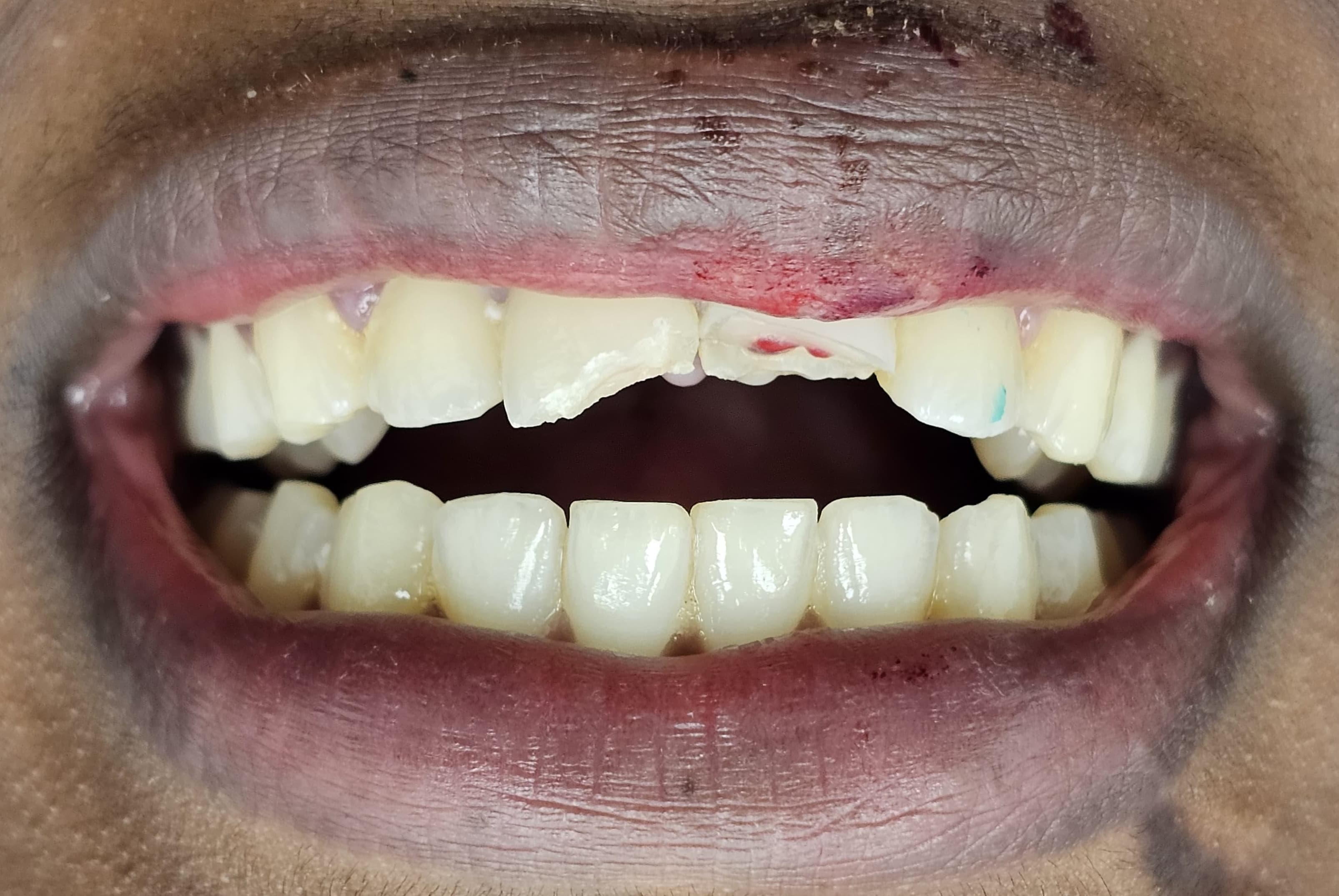
Assessment and repair options for a tooth damaged by an accident, impact or biting.
Persistent, throbbing or night-time tooth pain needs assessment to identify its cause and urgency.
Protect an exposed or sensitive tooth and arrange an assessment before further damage occurs.
Help for pain, swelling or infection around an emerging or impacted wisdom tooth.
Treatment may help relieve pain and address infection inside a damaged tooth.
Careful assessment distinguishes a loose implant restoration, a moving implant and a detached veneer.
Leave your details and briefly tell us what’s happened. Our team will contact you to arrange a same day appointment.
Need help immediately?
Find your nearest emergency clinic