Contact a dentist
Describe whether pain is spontaneous, triggered by temperature or associated with swelling.
Treat inflammation or infection inside a restorable tooth.
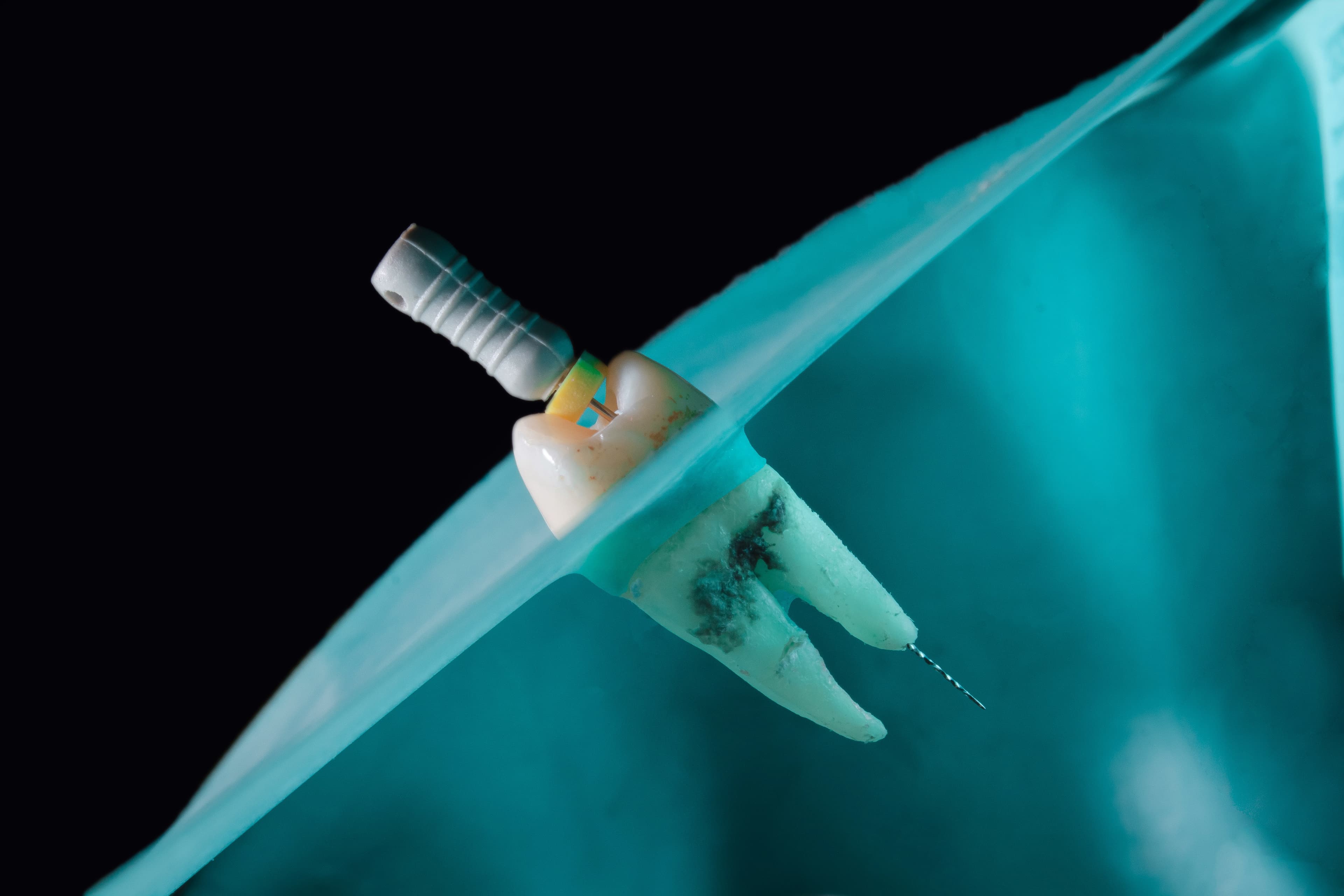
Emergency root canal treatment may relieve pressure and remove inflamed or infected pulp while preserving a tooth that can still be restored. Assessment determines whether it is suitable.
Same day appointments
Get seen today for your emergency root canal treatment.
Dental pulp inside the tooth contains nerves and blood vessels. Deep decay, a crack, trauma or a leaking restoration can leave this tissue irreversibly inflamed or infected, sometimes causing spontaneous pain, lingering sensitivity or tenderness when biting.
Root canal treatment removes the damaged tissue, disinfects the canal system and seals the space. An urgent appointment may begin this process and relieve pressure, but the tooth often needs further visits and a durable final restoration.
Pain can continue long after a hot or cold stimulus is removed.
The tooth may throb without a clear trigger and interrupt sleep.
Inflammation around the root can make the tooth tender to pressure.
A recurring spot, discharge or swelling can indicate infection around the root.

Symptoms can change quickly, so arrange an assessment rather than waiting for the nerve to settle by itself.
Describe whether pain is spontaneous, triggered by temperature or associated with swelling.
Avoid chewing hard foods on the painful side, particularly if the tooth is cracked or heavily filled.
Use pain relief only if suitable for you and follow packet or pharmacist guidance.
Severe pain and spreading infection symptoms need prompt assessment.
Swelling beside the tooth or into the face may indicate an abscess.
Feeling feverish or markedly unwell can indicate infection is spreading.
Call 999 or attend A&E if swelling compromises breathing or swallowing.
Pain preventing sleep or normal activity despite suitable relief should be assessed urgently.
Our emergency dental team can help you understand whether you need to be seen urgently.
Inflamed or infected pulp cannot reliably heal once damage is advanced.
The dentist examines the tooth, carries out pulp or biting tests where useful and takes X-rays to assess the roots and surrounding bone. Root canal treatment is recommended only when the diagnosis and restorability make it appropriate.
The dentist may access the tooth, remove inflamed tissue and place a temporary dressing to relieve pressure and pain.
The canals are shaped, disinfected and filled before the tooth receives a durable restoration.
If the tooth is fractured beyond repair or has a poor prognosis, extraction may be discussed.
These pages explain closely related symptoms and treatments without replacing a dental assessment.
Clear answers to questions patients often ask before an urgent dental assessment.

Patient rating
Across our Night & Day clinics
3,200+ Google reviews
I’m absolutely petrified of the dentist hence why I’m in the situation I’m in now! I can’t recommend them enough so understanding and explain everything - they look after you unlike my dentist highly recommend!
Explore guidance for other common dental emergencies, including symptoms, what to do immediately and when to seek urgent dental care.

Swelling, tenderness or a bad taste may indicate an infection that should be examined promptly.
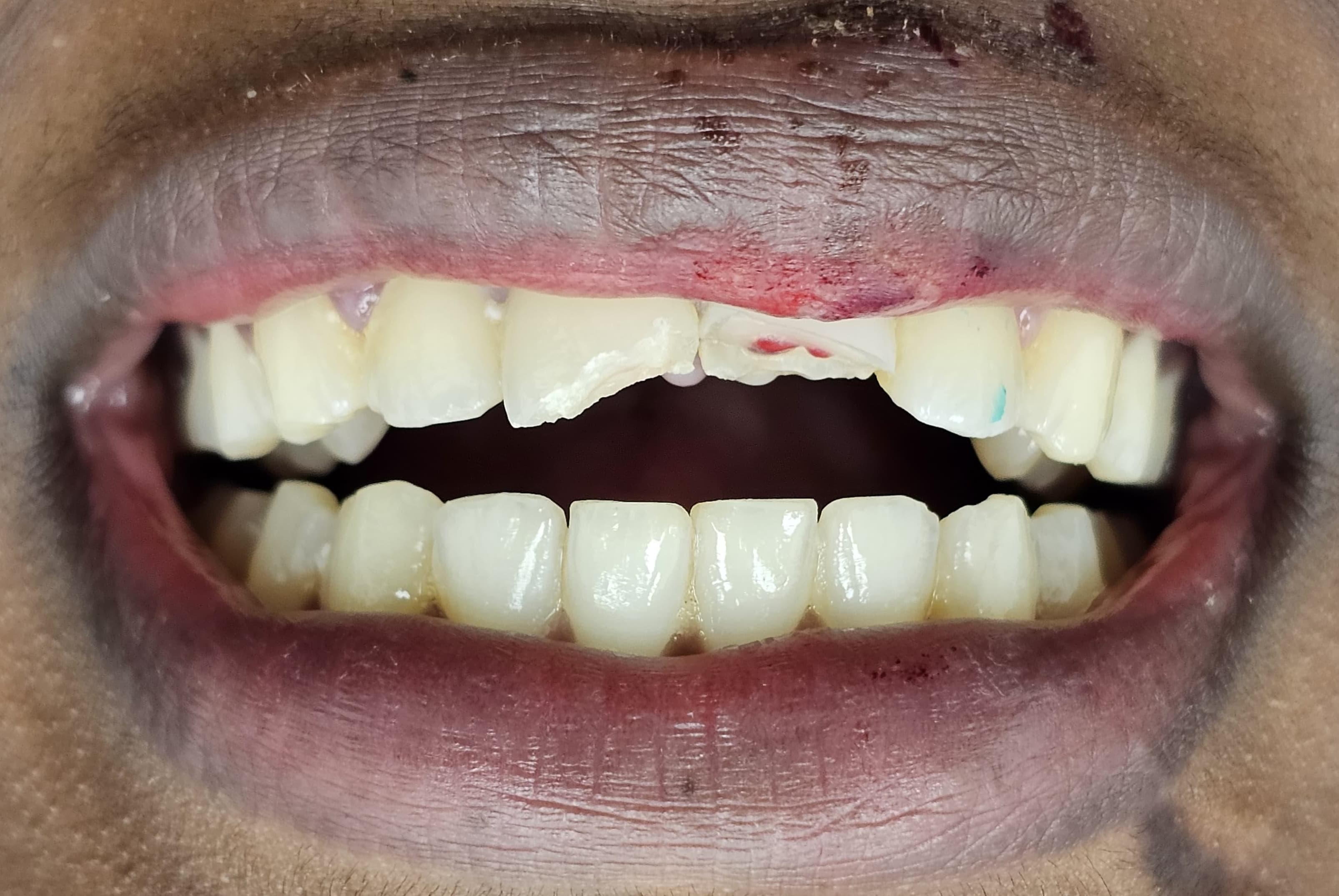
Assessment and repair options for a tooth damaged by an accident, impact or biting.
Persistent, throbbing or night-time tooth pain needs assessment to identify its cause and urgency.
Protect an exposed or sensitive tooth and arrange an assessment before further damage occurs.
Help for pain, swelling or infection around an emerging or impacted wisdom tooth.
When a tooth cannot be restored, an urgent assessment can establish the safest next step.
Careful assessment distinguishes a loose implant restoration, a moving implant and a detached veneer.
Leave your details and briefly tell us what’s happened. Our team will contact you to arrange a same day appointment.
Need help immediately?
Find your nearest emergency clinic