Keep the area clean
Gently brush and rinse around the affected tooth so food and debris do not collect in the exposed area.
Protect the exposed tooth until it can be assessed.
When a filling falls out or a natural-tooth crown comes loose, the tooth beneath may be sensitive or vulnerable to fracture. A dentist can check whether it can be repaired, re-cemented or needs replacing.
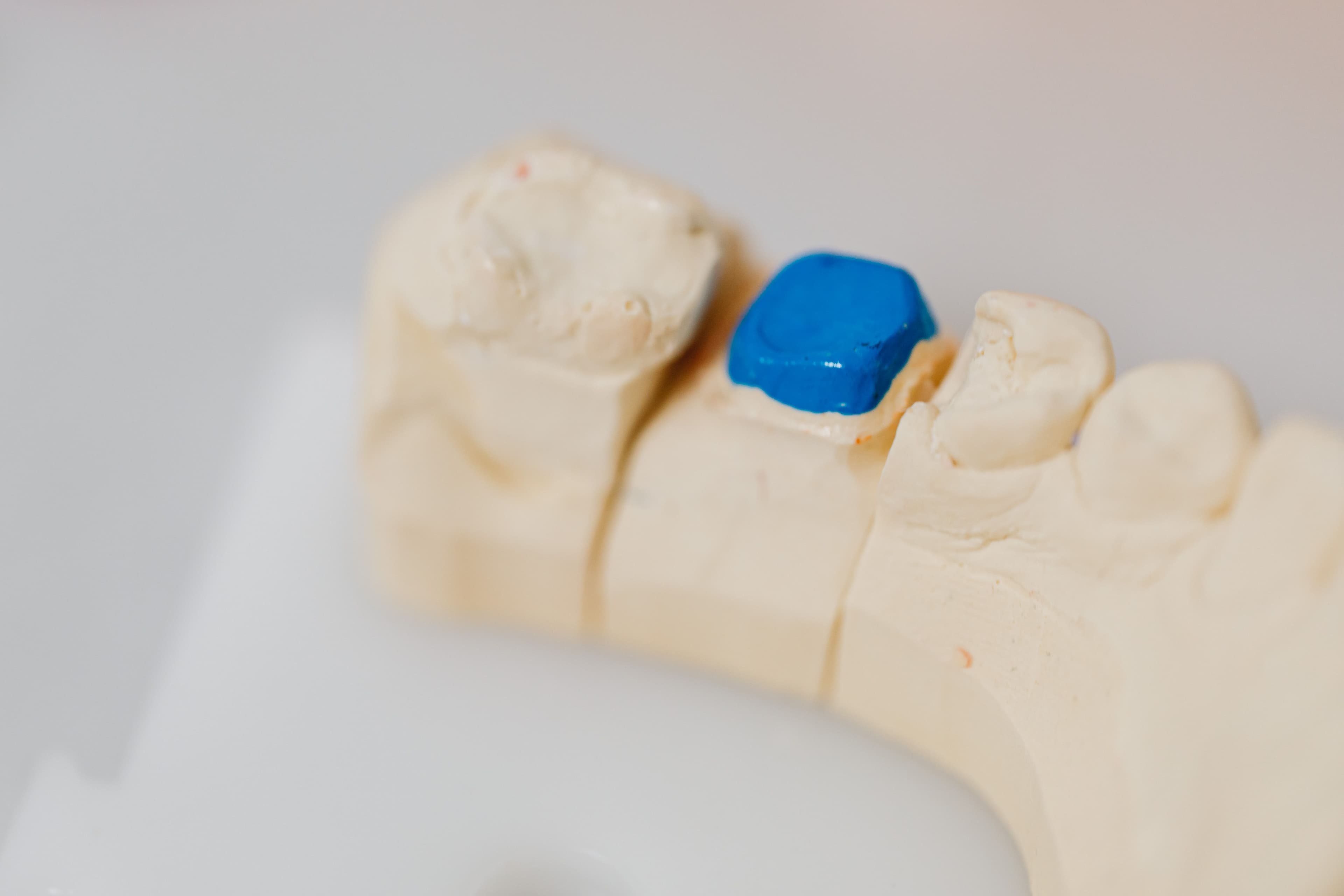
Fast restorative care
Protect an exposed or damaged tooth and reduce the risk of further problems.
A filling can fall out when the material or surrounding tooth fractures. A natural-tooth crown may loosen because its cement fails, decay develops underneath or the supporting tooth changes or breaks.
Even without severe pain, the exposed tooth may be sensitive and less protected from contamination or further fracture. A dentist needs to check both the restoration and the tooth beneath it before deciding whether to replace, repair or re-cement it.
Exposed tooth tissue may react to temperature, sweet foods or air.
Pressure may irritate the exposed surface or reveal damage beneath the restoration.
The remaining tooth or restoration may feel jagged against your tongue.
You may see where material is missing or feel the crown moving.
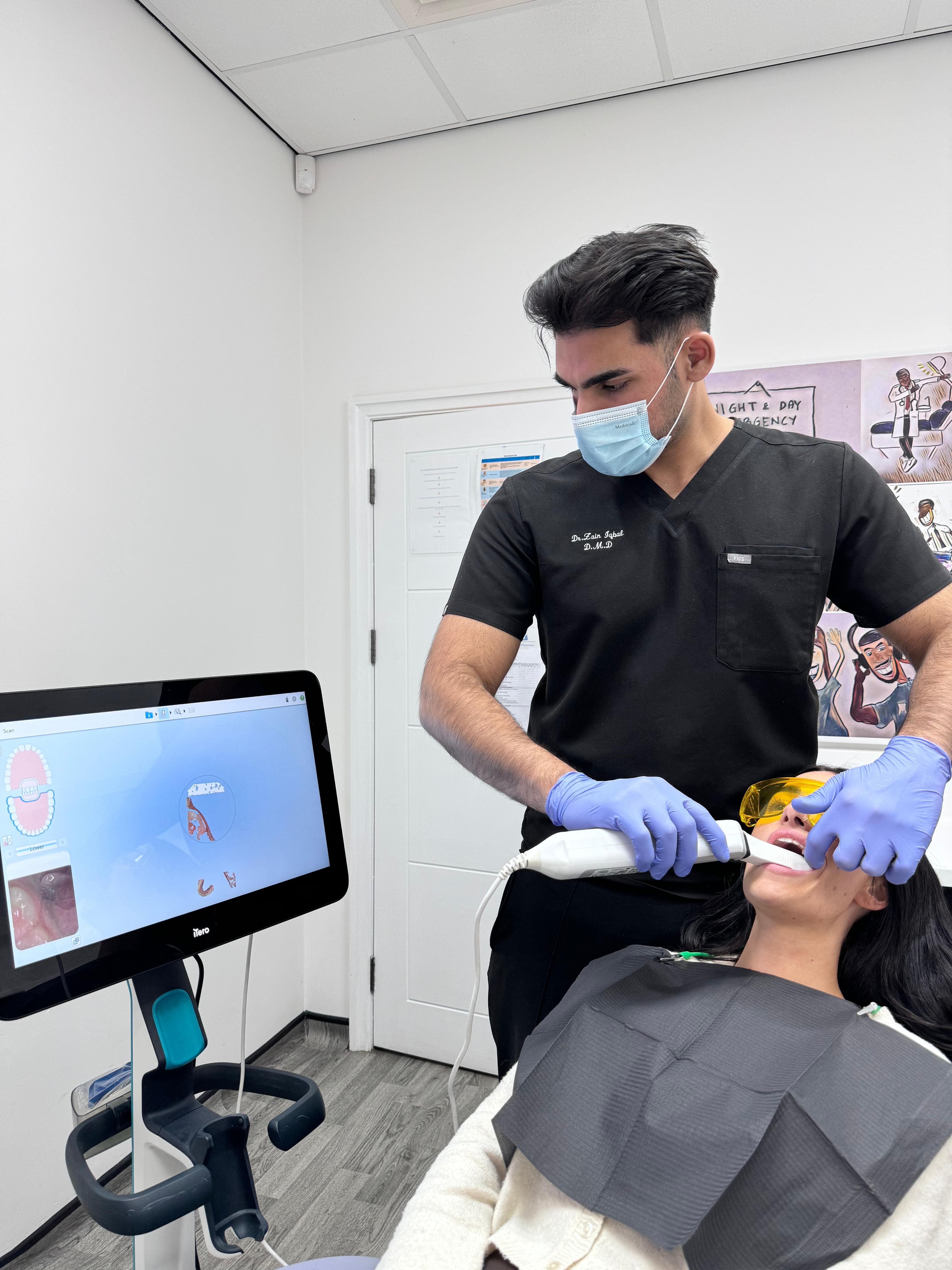
Until you can see a dentist, take simple steps to protect the affected tooth and preserve the restoration.
Gently brush and rinse around the affected tooth so food and debris do not collect in the exposed area.
Choose softer foods and avoid placing unnecessary pressure on the weakened tooth.
Store a detached crown safely and bring it to your appointment; it may be suitable for re-cementation.
A missing restoration is not always extremely painful, but the tooth underneath can be vulnerable to further damage.
Persistent pain or sensitivity around the tooth should be assessed promptly.
A rough edge can injure your tongue or cheek and may indicate significant material loss.
Pain, movement or discomfort when biting suggests the tooth needs protection.
Swelling around the tooth or gum can indicate infection and needs prompt care.
Our emergency dental team can help you understand whether you need to be seen urgently.
A lost restoration can expose part of the underlying tooth. Without treatment, this may increase the risk of:
The dentist will inspect the remaining tooth, check for decay or fracture and assess whether the bite contributed to the failure. A crown can only be re-cemented if it still fits and both it and the supporting tooth are suitable.
A tooth that has lost a filling can be cleaned and restored where sufficient healthy structure remains.
If the crown and underlying tooth are suitable, the crown may be re-cemented. Otherwise, the tooth may need a temporary or replacement restoration.
These pages explain closely related symptoms and treatments without replacing a dental assessment.
Clear answers to questions patients often ask before an urgent dental assessment.
Patient rating
Across our Night & Day clinics
3,200+ Google reviews
I’m absolutely petrified of the dentist hence why I’m in the situation I’m in now! I can’t recommend them enough so understanding and explain everything - they look after you unlike my dentist highly recommend!
Explore guidance for other common dental emergencies, including symptoms, what to do immediately and when to seek urgent dental care.
Swelling, tenderness or a bad taste may indicate an infection that should be examined promptly.
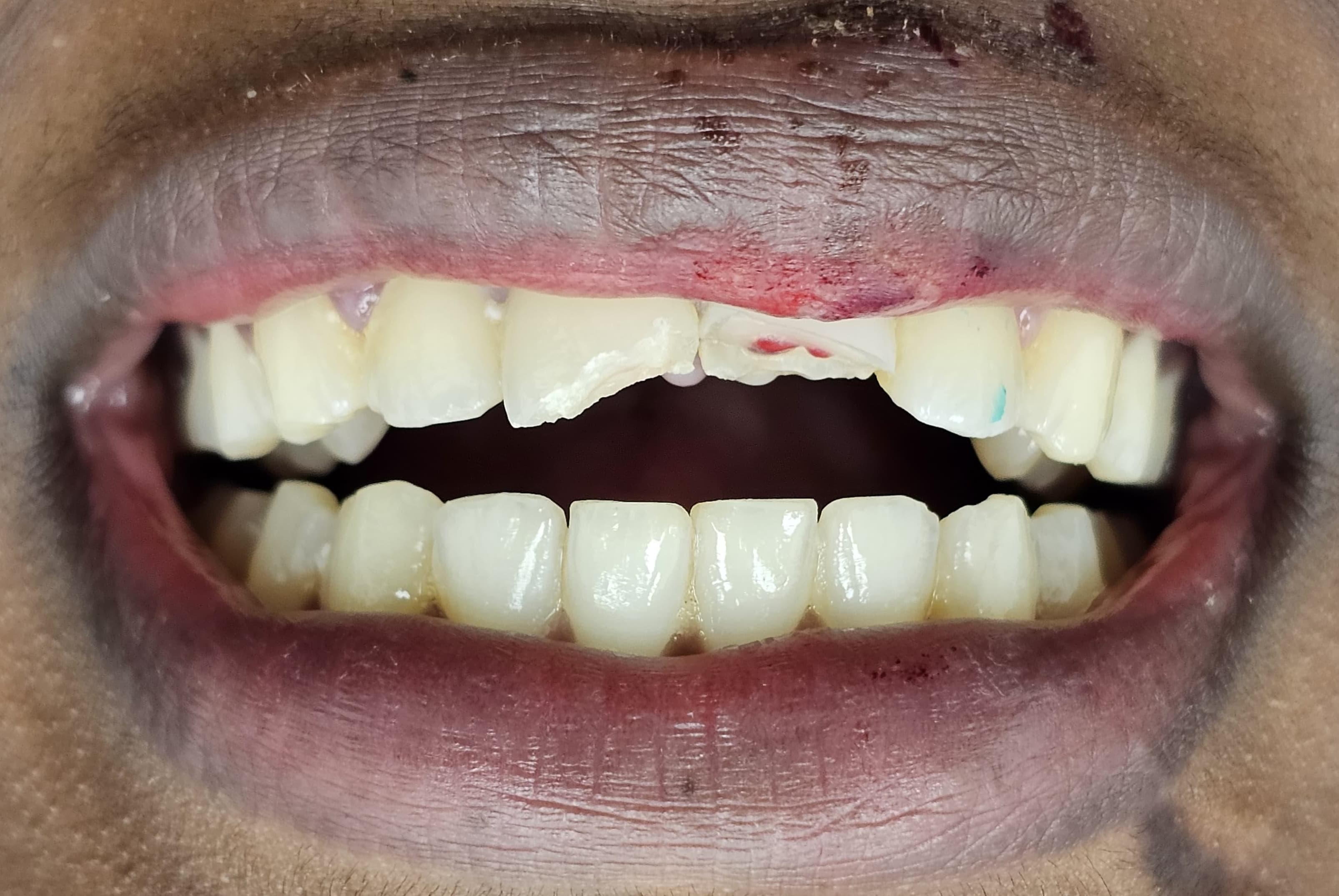
Assessment and repair options for a tooth damaged by an accident, impact or biting.
Persistent, throbbing or night-time tooth pain needs assessment to identify its cause and urgency.
Help for pain, swelling or infection around an emerging or impacted wisdom tooth.
When a tooth cannot be restored, an urgent assessment can establish the safest next step.
Treatment may help relieve pain and address infection inside a damaged tooth.
Careful assessment distinguishes a loose implant restoration, a moving implant and a detached veneer.
Leave your details and briefly tell us what’s happened. Our team will contact you to arrange a same day appointment.
Need help immediately?
Find your nearest emergency clinic