Contact an emergency dentist
Explain where the swelling is, when it started and whether you have fever or difficulty swallowing.
Urgent care for dental infection.
A dental abscess is an infection that can cause pus, intense pain and swelling. Prompt assessment is needed to treat the source and check whether the infection is spreading.
Urgent appointments
Get a dental infection assessed quickly before symptoms become more severe.
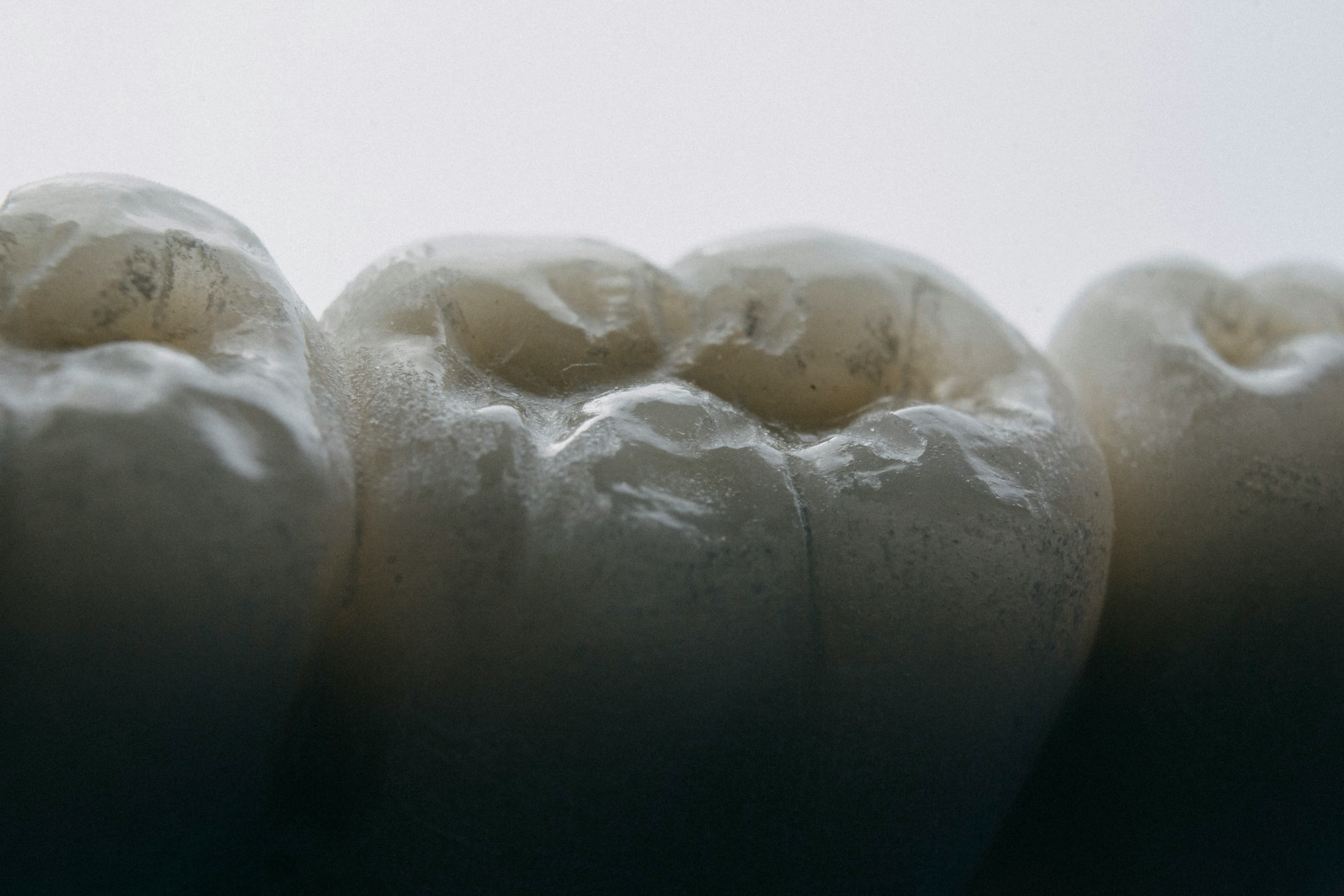
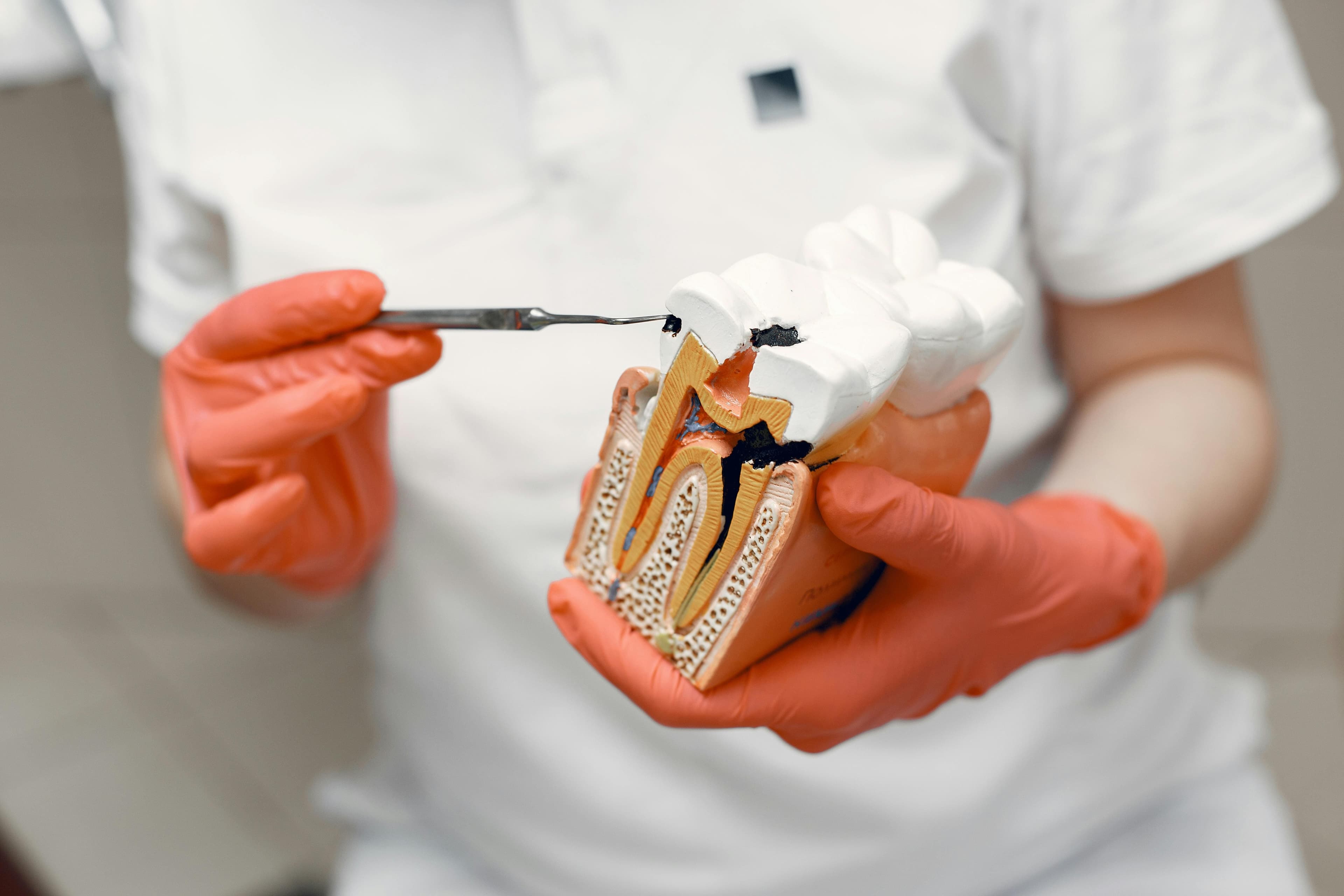
A dental abscess is a collection of pus caused by infection in a tooth, the gum or its supporting tissues. Deep decay, a crack, gum disease or infection around a partly erupted tooth can allow bacteria to reach these areas.
Pain may ease if an abscess drains, but that does not mean the infection has gone. Prompt assessment is important to identify the source, manage swelling and reduce the chance of infection spreading into the face or neck.
Pain can spread towards the ear, jaw or neck and may worsen when lying down.
The gum, face or jaw may become swollen, tender or warm.
A spot on the gum may release unpleasant-tasting fluid.
Feeling unwell can indicate that the infection is no longer only local.
Arrange urgent dental care. While waiting, focus on comfort and watch carefully for signs the infection is spreading.
Explain where the swelling is, when it started and whether you have fever or difficulty swallowing.
Follow packet instructions for pain relief you can normally take, or ask a pharmacist for advice.
Rest with your head raised and drink water. Monitor whether swelling or general symptoms are increasing.
Spreading dental infection can become serious. Seek urgent medical help for airway, swallowing or rapidly increasing swelling symptoms.
Call 999 or attend A&E immediately if swelling is affecting your airway.
Swelling moving towards the eye, under the jaw or into the neck requires urgent assessment.
Fever, shaking, confusion or marked weakness can indicate spreading infection.
Increasing difficulty opening your mouth can accompany a significant infection.
Our emergency dental team can help you understand whether you need to be seen urgently.
Pressure may release and pain may briefly improve, but the infection source can remain active.
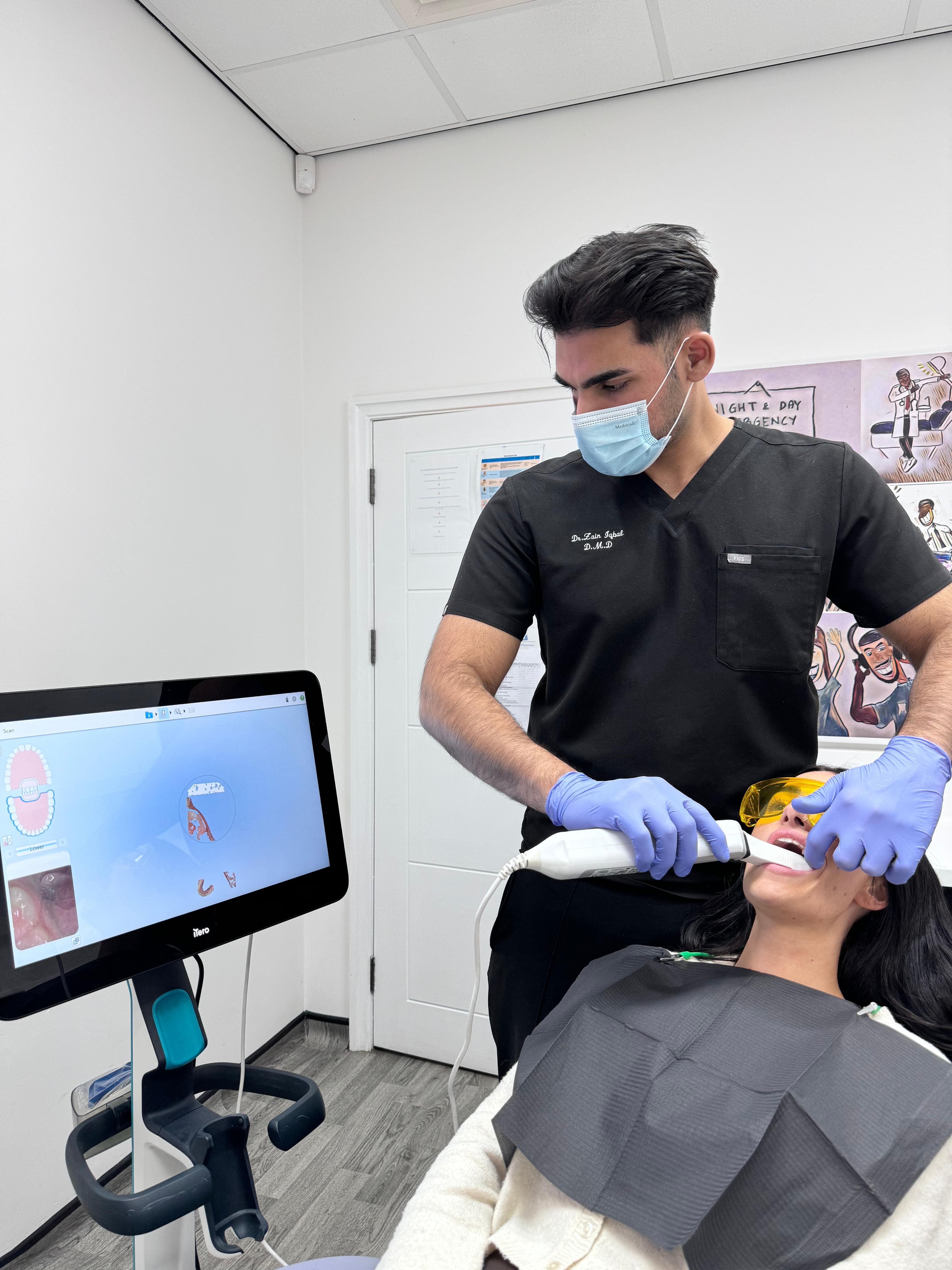
The dentist will examine the swelling and affected tooth, ask about fever or other illness and may take an X-ray. Treatment aims to release infection where needed and remove its source; antibiotics alone do not cure that source.
The dentist may examine, take an X-ray and release trapped infection where clinically appropriate.
The best option depends on whether the tooth can be predictably restored.
Antibiotics may be prescribed when there are signs of spreading or systemic infection, following clinical assessment.
These pages explain closely related symptoms and treatments without replacing a dental assessment.
Clear answers to questions patients often ask before an urgent dental assessment.

Patient rating
Across our Night & Day clinics
3,200+ Google reviews
I’m absolutely petrified of the dentist hence why I’m in the situation I’m in now! I can’t recommend them enough so understanding and explain everything - they look after you unlike my dentist highly recommend!
Explore guidance for other common dental emergencies, including symptoms, what to do immediately and when to seek urgent dental care.
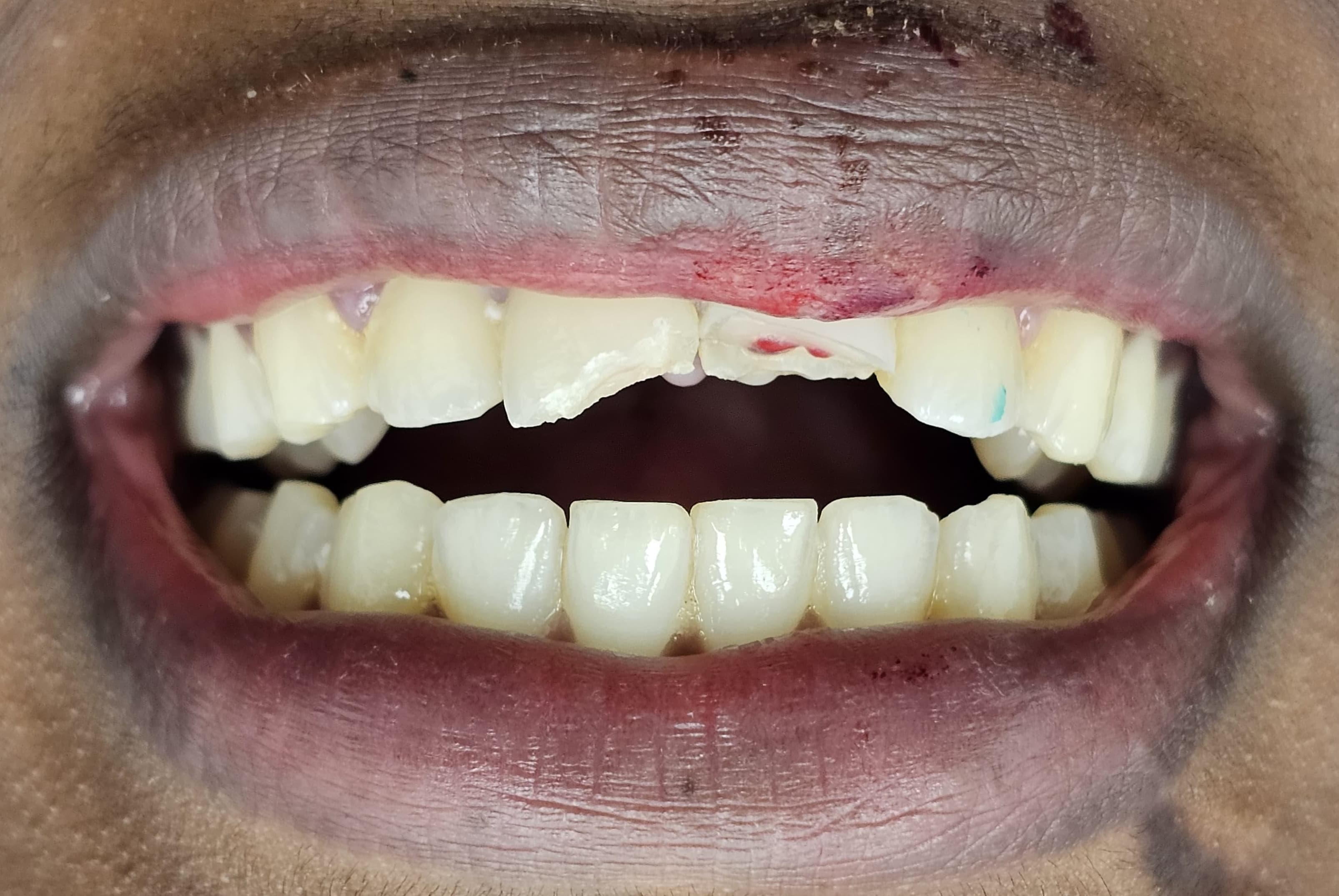
Assessment and repair options for a tooth damaged by an accident, impact or biting.

Persistent, throbbing or night-time tooth pain needs assessment to identify its cause and urgency.
Protect an exposed or sensitive tooth and arrange an assessment before further damage occurs.
Help for pain, swelling or infection around an emerging or impacted wisdom tooth.
When a tooth cannot be restored, an urgent assessment can establish the safest next step.
Treatment may help relieve pain and address infection inside a damaged tooth.
Careful assessment distinguishes a loose implant restoration, a moving implant and a detached veneer.
Leave your details and briefly tell us what’s happened. Our team will contact you to arrange a same day appointment.
Need help immediately?
Find your nearest emergency clinic