Consultation and suitability
Your clinician assesses your teeth, gums, bite and goals, explains alternatives and identifies any oral-health care needed before alignment.
A discreet way to bring your smile into line.
Clear, removable aligners can gradually move suitable teeth through a personalised plan, with progress reviews and retention after treatment.
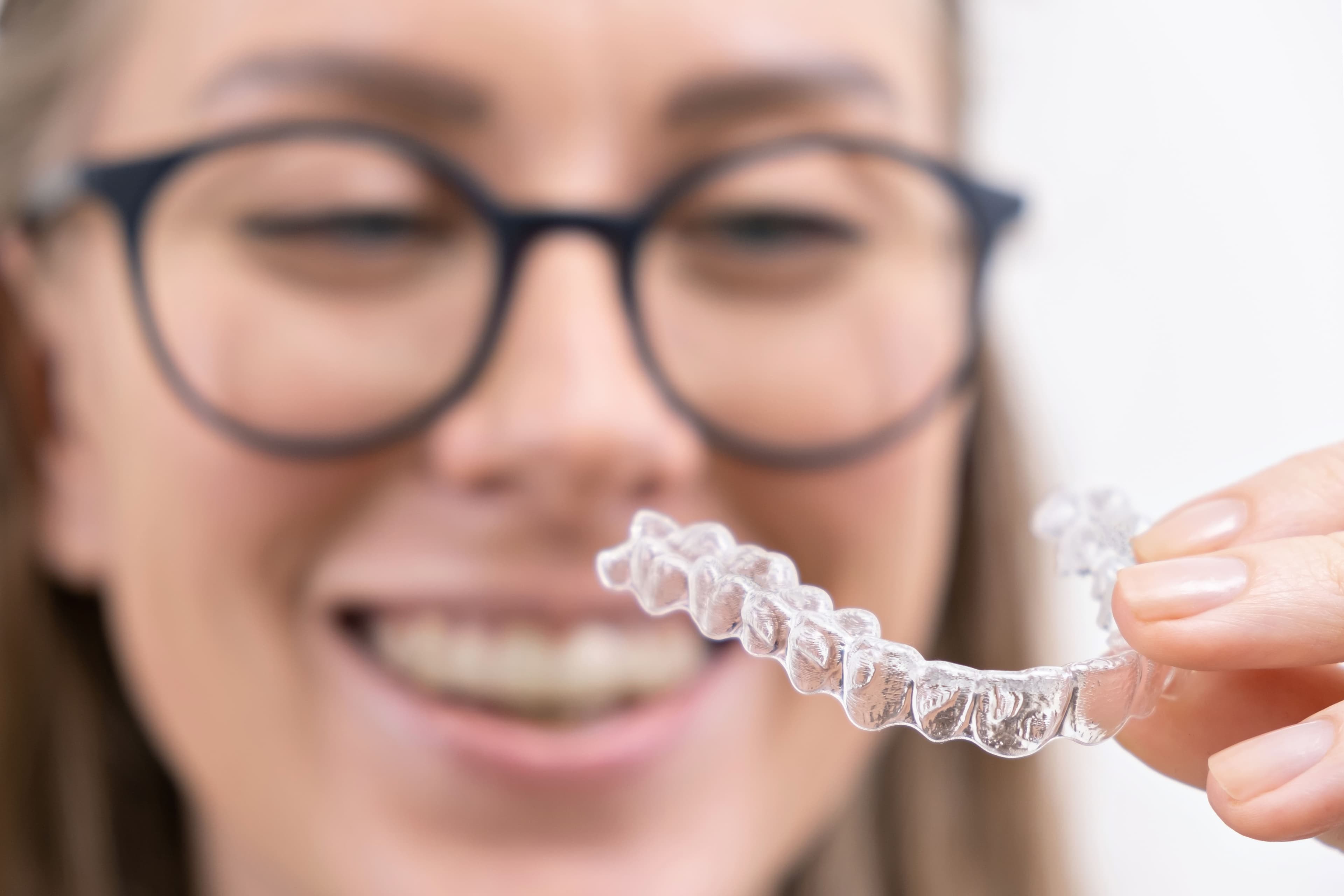
Invisalign treatment uses a planned sequence of clear, removable aligners to move teeth gradually. Each aligner applies controlled pressure before you progress to the next stage of the treatment plan according to your clinician's instructions.
Clear aligners may be suitable for crowded teeth, unwanted gaps and selected bite or alignment concerns. They are removed for eating, drinking anything other than water, brushing and flossing, but treatment still depends on wearing them consistently for the recommended time each day.
Your assessment considers tooth position, bite, gum health, existing dental work and the movements needed to reach a realistic result. Some cases may be better managed with fixed braces or another orthodontic approach, which your clinician can discuss with you.
Treatment length and cost vary with case complexity, the aligner plan, any preliminary dental care and whether refinements are needed. After active movement, retainers are essential because teeth can shift without ongoing retention.
Your exact sequence and review schedule will depend on your assessment, but a clear aligner journey typically follows these stages.
Your clinician assesses your teeth, gums, bite and goals, explains alternatives and identifies any oral-health care needed before alignment.
Scans and clinical records are used to plan proposed tooth movements and discuss the intended outcome and limitations.
You progress through the prescribed aligner sequence, removing each set for meals, drinks other than water and oral hygiene.
Your clinician checks how the teeth are tracking, provides the next aligners and recommends refinements when clinically appropriate.
Once active movement is complete, retainers help hold the teeth in their planned positions and require ongoing wear as advised.
Why Invisalign
Invisalign uses digitally planned, removable clear aligners to address suitable cases of crowding, spacing and bite alignment while allowing patients to eat and clean their teeth without fixed brackets or wires.
The close-fitting, transparent aligners are designed to be less noticeable than conventional fixed metal braces, although they are not completely invisible.
Aligners can be removed for meals and drinks other than water, then cleaned and replaced according to the wear schedule recommended by your clinician.
Removing the aligners allows you to brush and clean between your teeth normally, while the aligners themselves also need regular cleaning.
Digital records support a staged plan, while regular reviews help your clinician monitor tracking and decide whether refinements are appropriate.
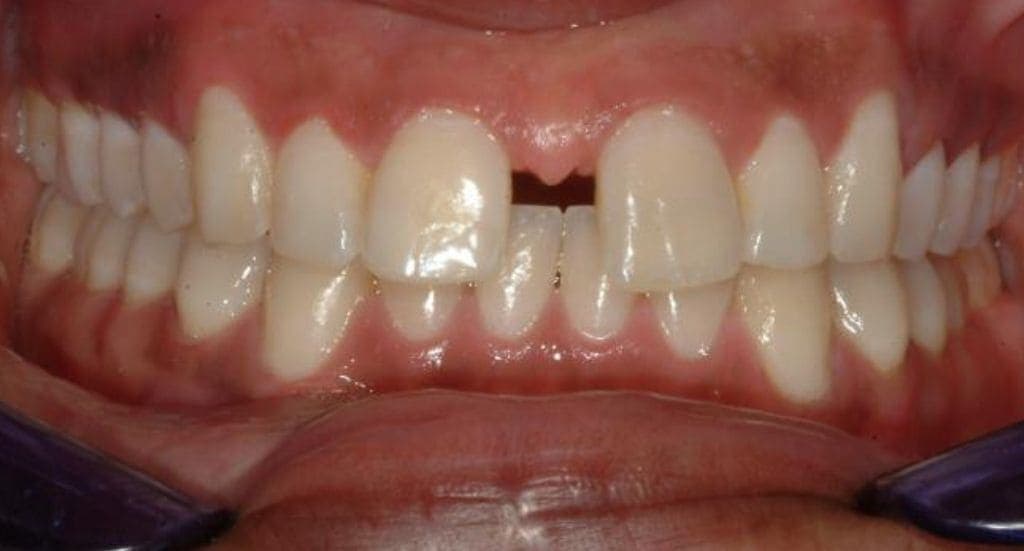
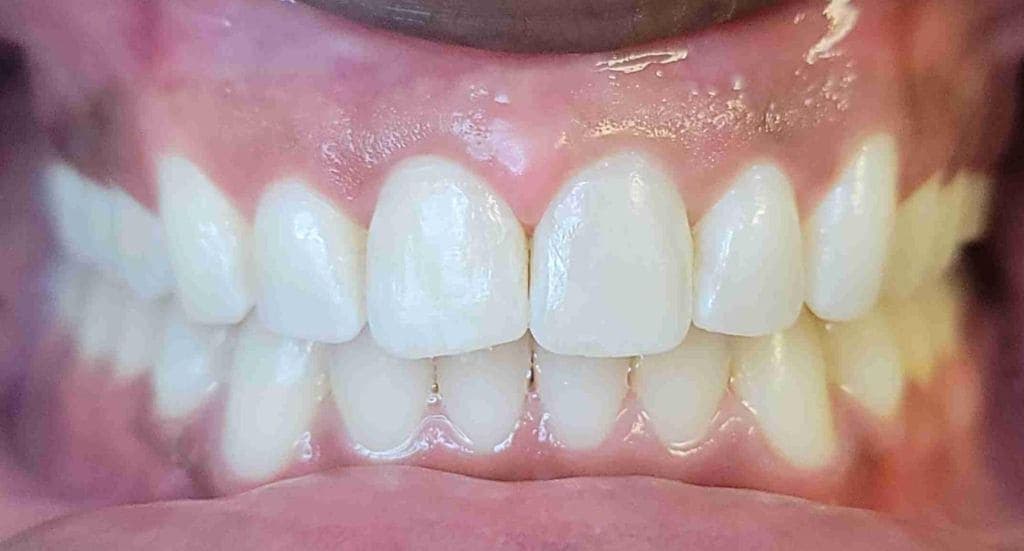
An example of how clear aligner treatment can gradually improve tooth alignment. Individual treatment needs and outcomes vary.
A planned course of removable clear aligners used to improve tooth position and smile alignment.
Speak to the Night & Day team about your smile, alignment concerns and the next steps for an Invisalign assessment.